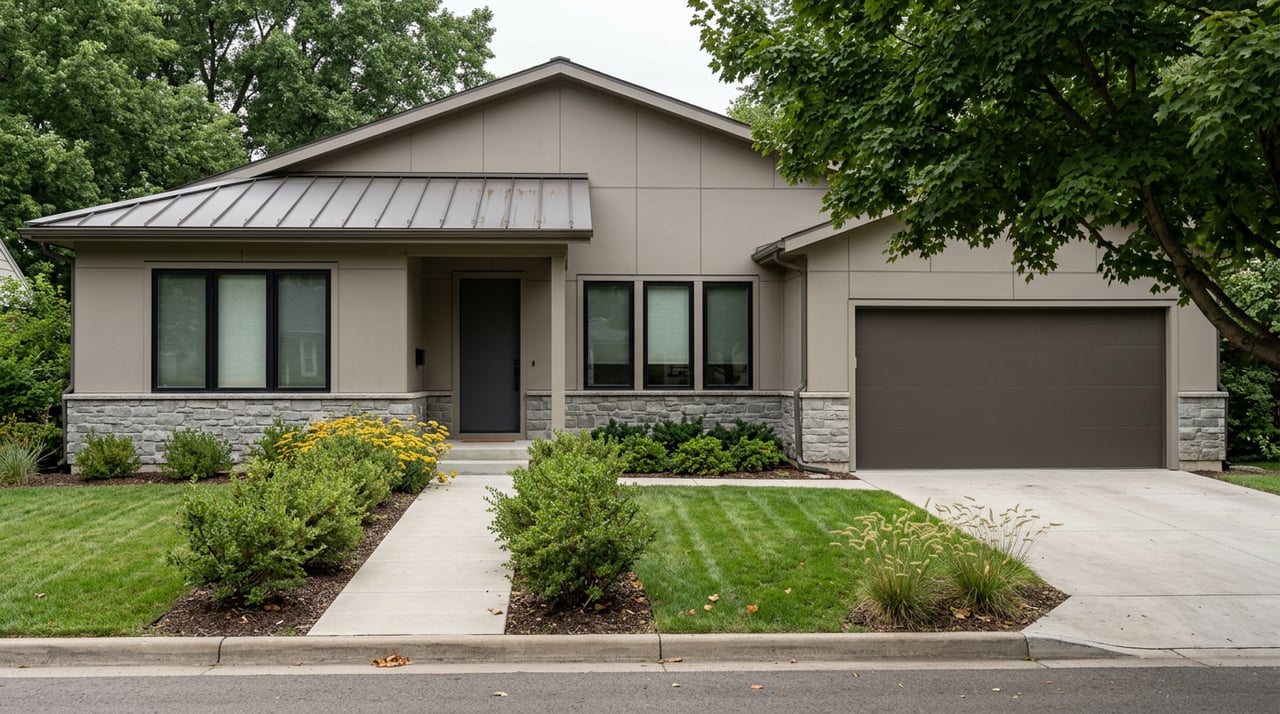
A seller in Broomfield does everything right. The listing photos are clean, the price is dialed in against recent comps, an offer comes in within the first two weekends, and the buyer's lender clears financing without drama. Then, twenty-five days out from closing, the title company flags something that has nothing to do with the mortgage, the inspection, or the appraisal. It is a notice required by city ordinance, and under the timeline in the contract, it has to go out at least 30 days before closing unless both sides agree in writing to shorten that window. The closing date moves.
This is not a rare story in Broomfield. It is a predictable one, and it happens because most people involved in the transaction, including some agents who work primarily outside the city, know about Colorado's statewide mineral rights disclosure but have never heard of the local notice that sits alongside it. They are not the same document, and confusing them is exactly what causes the delay.
Two Disclosures, One Word
Colorado's standard Contract to Buy and Sell Real Estate already includes language warning buyers that surface and mineral ownership can be split, that a third party might hold rights to access the land below a home, and that oil and gas activity could occur on or near the property. If a title search turns up a recorded severance of the mineral estate, the title commitment adds a specific notice under state law, C.R.S. 10-11-123, in Schedule B of the commitment. This is standard across Colorado and most title companies handle it as a routine part of every closing.
Broomfield layered a second, separate requirement on top of that in April 2022, when the City and County Council passed Ordinance No. 2178. Codified as section 16-28-190 of the Broomfield Municipal Code, it requires the owner of any property within 2,000 feet of a producing, permitted, proposed, or plugged and abandoned oil or gas well to give written notice to a buyer, and the two disclosures do different jobs.
| Statewide mineral rights disclosure | Broomfield oil and gas notice | |
|---|---|---|
| Legal basis | C.R.S. 10-11-123 | Broomfield Municipal Code 16-28-190 |
| Triggered by | Recorded severance of mineral estate found in title search | Property location within 2,000 feet of a well site, active or plugged |
| Delivered by | Title company, as part of the commitment | Property owner, as a separate written notice |
| Timing | Included with title commitment during escrow | Must be given no less than 30 days before closing, before any purchase agreement is signed, unless both parties agree otherwise |
| Format | Standard commitment language | Must use 14-point font or larger |
The first disclosure is about who owns what is underneath the property. The second is about what is happening, or once happened, nearby. A title company handles the first one automatically. The second one is the seller's responsibility, and it is easy to miss because it lives in city code rather than in the standard closing checklist most agents carry around in their heads.
What the Notice Actually Says
Broomfield's required language is short. It states that the property is "within 2000 feet of a producing, permitted or proposed oil or gas location or a plugged and abandoned well," and directs the reader to the city or the state's Energy and Carbon Management Commission for more information. The city also maintains an interactive oil and gas map viewer that highlights affected parcels, so a seller or their agent can check exposure before a listing ever goes live rather than discovering it mid-contract.
The requirement applies to leases as well as sales. Anyone renting out a property that falls inside the 2,000-foot buffer has to provide the same notice before a tenant signs a lease.
Why the Map Looks Scarier Than the Current Drilling Picture
Here is the part that gets lost in most conversations about this disclosure: seeing your address highlighted on that map does not mean there is active drilling planned near your home. In most cases in Broomfield today, it means something that already happened.
Broomfield is the smallest county in Colorado by land area, just 34 square miles, yet during the years when new fracking operations were ramped up, 2020 through 2024, only four other counties in the entire state extracted more oil. That concentration traces back to a specific, named campaign. Between 2019 and 2020, Extraction Oil and Gas drilled 82 wells along the north edge of Broomfield as part of a Comprehensive Drilling Plan negotiated with the city, and the ECMC fielded 299 complaints about noise, odor, and other issues during that period. As of November 2025, the county's well inventory included 92 producing wells, 10 being drilled, 7 approved to drill, 23 shut in but restartable, and 121 plugged and abandoned wells that require inspection and maintenance indefinitely.
That last number matters most for anyone reading the map today. The state's regulatory environment changed substantially after Colorado passed Senate Bill 181 in 2019, which required the ECMC to prioritize public health and safety over energy extraction when issuing new permits. The effect on new drilling near homes has been measurable statewide: the number of well locations approved within 2,000 feet of residential buildings fell to 87 between 2022 and 2025, down from 719 between 2015 and 2018, according to testimony from the commission's director at a January 2026 legislative hearing.
Put those two facts together and the picture sharpens. A property flagged on Broomfield's map today is far more likely to be sitting near a well that was drilled during the concentrated 2019 to 2020 campaign, or one that has since been plugged, than near a site working through a fresh permit application. The notice is doing exactly what it is supposed to do, which is disclose proximity, not predict future activity. But reading it as a live drilling warning, when for most flagged parcels it is closer to a paperwork echo of a five-year-old project, leads buyers and sellers to the wrong conversation at the closing table.
What This Means for Your Timeline
If you are selling a home in Broomfield, the practical move is to stop treating this as a title company problem and start treating it as a listing prep step.
- Check your address against the city's map viewer before you sign a listing agreement, not after you have an accepted offer.
- If your property falls inside the 2,000-foot buffer, have the required notice drafted and ready in 14-point font before you go live, so it can be delivered to a buyer before any purchase agreement is signed.
- Build the 30-day minimum window into your expected closing timeline from the start, rather than discovering it after a buyer is already under contract with a tighter date in mind.
- If you and the buyer agree to a shorter notice period, get that agreement in writing before the purchase agreement is signed, since the ordinance allows a shorter window only with mutual consent.
- Do not assume your title company's mineral rights disclosure covers this. It does not. The two documents come from different laws and serve different purposes.
For buyers, the map viewer is worth checking early in a search, particularly if you are comparing Broomfield against neighboring communities like Westminster, where this specific municipal requirement does not apply. A flagged property is not automatically a red flag on value or livability. It is a piece of information that deserves the same five minutes of research as a homeowners association document, not a snap judgment based on the word "oil" in a legal notice.
A Few Questions Worth Asking Before You List or Offer
Does the notice mean there is a well on my actual lot? Not necessarily. The 2,000-foot radius is drawn from the well or facility location, so a flagged property could be anywhere within that buffer, including well outside where you would expect based on line of sight.
Do I need an attorney to handle this? The city recommends discussing the requirement with your real estate agent, and many transactions move through it without needing separate legal counsel. If your title commitment also shows a severed mineral estate, or if you have questions about what a plugged well site means for future use of the land, a real estate attorney who works in Colorado's oil and gas law is worth the conversation.
Can I confirm this before I even list my house? Yes. Broomfield's map viewer is public and free to use, and checking it before you sign with an agent saves everyone a scramble later in the process.
Selling or buying in Broomfield comes with a few more moving pieces than a typical suburban transaction, and this is one that rewards knowing about it early rather than learning about it under deadline pressure. If you want a read on how this and other local factors might affect your specific property, Marie Jacobs can walk through it with you. Start with a get your instant home valuation and we will go from there.