Trying to decide between Erie and Louisville? You’re not alone. Both communities sit in the sweet spot between Boulder and Denver, yet they offer different rhythms of daily life. If you want a quick, confident choice, you need to weigh commute patterns, outdoor access, dining and walkability, housing style, and the real cost of HOA or metro district fees. This guide breaks down the tradeoffs in plain language and gives you a practical checklist to use on your tours. Let’s dive in.
Erie vs. Louisville at a glance
Both towns are close to Boulder and Denver, but each has a distinct feel.
- Louisville is an established, historic town with a compact, walkable downtown. You’ll find older single-family homes, infill townhomes, and tree-lined streets that invite evening strolls.
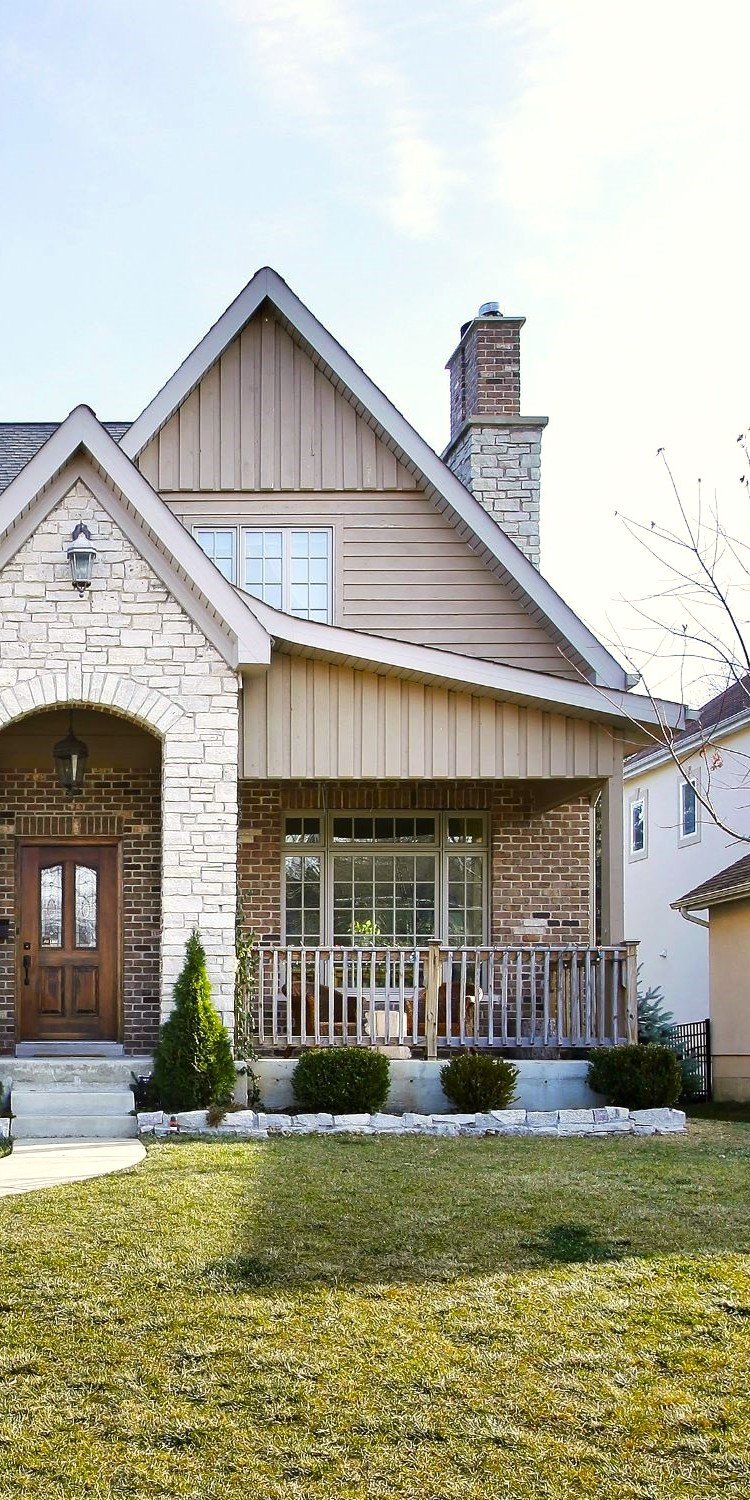
- Erie is a fast-growing town that straddles Boulder and Weld counties. Master-planned neighborhoods, newer construction, and community amenities like pools and trails are common, with a more suburban development pattern.
Historically, Louisville tends to command higher prices on average thanks to its proximity to central Boulder and its walkable downtown. Erie often offers more new-construction choices, modern finishes, and potentially larger lots.
If you value a short Boulder commute and a pedestrian-friendly main street, Louisville often fits. If you want newer homes, on-site amenities, and room to spread out, Erie is a strong contender.
Commute and transportation
Commute patterns vary by your exact address and destination. Both towns feed into major regional corridors, so peak travel is variable. Plan to test routes during your typical rush hour.
Boulder and the tech corridor
If you work in central Boulder or along the nearby tech corridor, Louisville can offer shorter drives and a range of regional transit options that connect into the US‑36 system. That said, an Erie home in the western part of town can still make Boulder commutes reasonable. Your drive time will hinge on your exact neighborhood and the timing of your trips.
Denver and the northern Front Range
For downtown Denver, the Denver Tech Center, or northern Front Range hubs, both towns can work. Erie’s newer subdivisions often sit near growing arterial networks. Louisville’s access to regional corridors is reliable, especially for US‑36 connections. The best way to decide is to compare your drive from a few candidate addresses at peak times.
Transit and park-and-rides
Regional bus service and park-and-ride locations can tip the scales. Louisville residents often have convenient access to express services along the US‑36 corridor. Erie residents should look at nearby park-and-ride options and the practicality of a short drive or bike to transit. If you plan to mix modes, factor in employer parking policies and last‑mile details.
Practical commute tips:
- Test morning and evening drives from the exact neighborhoods you’re considering.
- Check nearby park-and-ride access and any express routes that match your schedule.
- Ask about planned transportation projects that might improve or affect travel times.
Outdoor recreation and active lifestyle
Foothills and mountain access
Louisville generally sits closer to foothills trailheads and Boulder County open space, so you can reach classic hikes and mountain-bike areas with shorter drives. If your weekends revolve around quick trips to trailheads, this proximity may matter.
Neighborhood parks and amenities
Erie shines with on-site neighborhood amenities. Many master-planned communities feature paved trails, parks, playgrounds, sports fields, and community pools. You can step outside and be on a bike path or at a pocket park in minutes.
Biking and local trail networks
Both towns offer multiuse paths and local trail connections. Louisville’s compact layout makes short bike trips practical. Erie’s network is expanding, with larger neighborhood systems designed for recreation and family use. If you plan to bike to errands or dining, map your likely routes and note crossings and protected lanes.
Dining, shopping, and walkability
Downtown vibe vs. suburban convenience
Louisville’s historic downtown brings an intimate, pedestrian-friendly experience with independent restaurants, cafes, breweries, and local retail. It is well-suited to date nights and weekend strolling.
Erie offers a growing mix of commercial nodes, shopping centers, and new mixed-use pockets that fit daily errands and family routines. The overall pattern is more car-oriented, though Erie’s historic core and select village centers offer walkable moments.
Regional access
Both towns sit within easy reach of larger retail centers across Boulder, Broomfield, and the Denver corridor. You can choose a quiet neighborhood and still reach big-box shopping and diverse dining within a short drive.
Micro-neighborhood walkability
Walkability varies block by block in both towns. Central Louisville neighborhoods typically score higher. Erie’s historic area and certain planned centers offer strong on-foot options too. When you tour, walk to coffee or a park from the home to test your daily rhythm.
Housing styles and resale factors
Typical homes you’ll find
- Louisville: Early-to-mid 20th-century homes, including brick bungalows and ranches, plus infill townhomes and select new builds. Lots are often smaller in older neighborhoods, with established trees and character architecture.
- Erie: A high proportion of newer construction across single-family homes, paired homes, townhomes, and patio homes within master-planned communities. Outlying subdivisions may offer larger lots.
What drives value over time
In Louisville, proximity to Boulder and a walkable downtown are well-established resale drivers. In Erie, buyers are drawn to newer construction quality, community amenities, and lot size. If you’re choosing with long-term value in mind, focus on neighborhood micro-location, condition, and how your home compares to recent sales nearby.
HOA vs. metro district costs
Understanding how neighborhood fees work is essential to your annual budget.
Plain-language definitions
- HOA, or homeowners association: A private entity set up by a subdivision or builder. It collects dues to handle common-area maintenance, amenities, and design review. Rules live in CC&Rs and are overseen by a board.
- Metro district, or special district: A public, quasi-governmental entity created to finance infrastructure and services for new developments, such as roads, water, sewer, stormwater, parks, and sometimes street maintenance. Financing often involves bonds, with costs reflected on property tax bills or as separate fees.
What that means for your bottom line
- Fee structure: HOA dues are typically monthly or annual. Metro district costs often show up as higher property taxes tied to bond repayment and mill levies.
- Services: HOAs focus on aesthetics and private amenities. Metro districts fund public infrastructure and some ongoing services.
- Long-term obligations: Metro district bonded debt can last for years. HOA dues can also rise or include special assessments for major projects.
Due-diligence checklist
- HOA: Request the budget, reserve study, CC&Rs, meeting minutes, insurance coverage, fee increase history, and any pending special assessments.
- Metro district: Ask for the current mill levy, outstanding bond debt schedules, recent budgets, and billing details. Confirm who manages the district.
- Title and taxes: Verify whether district fees appear on the tax bill or as separate items through the county treasurer and your title company.
Which community fits your lifestyle?
Boulder-bound commuter
You want the shortest, most predictable Boulder access and love an evening walk to dinner. Louisville will likely check many boxes. Erie can still work if you pick the right neighborhood and confirm your route.
Denver commuter
You need reliable highway access or express transit to downtown or the DTC. Either town can deliver. Evaluate specific neighborhoods for park-and-ride proximity and quick access to major corridors.
Outdoor and family-focused
You care about parks, pools, sports fields, and bikeable loops your kids can enjoy. Erie’s master-planned communities often put these amenities within the neighborhood. Louisville balances neighborhood parks with quick foothills access.
New-construction value seeker
You prefer newer finishes, energy efficiency, and the feel of a planned community. Erie commonly offers more new-build options and larger-lot choices.
Downsizer or lock-and-leave buyer
You prioritize walkability, low maintenance, and a lively but manageable main street. Central Louisville, along with certain village centers in Erie, offers townhomes and lock-and-leave living.
How to choose with confidence
Use this short, actionable checklist before you write an offer:
- Drive your commute from the exact address during peak hours. Try two routes.
- Walk to a coffee shop, park, and grocery from the home if walkability is a priority.
- Request the full HOA resale packet and budget or the metro district’s current mill levy and bond schedule.
- Pull the property tax bill through the county treasurer to see all line items.
- Verify school attendance boundaries for the specific address through the district.
- Compare recent nearby sales of similar homes, not just townwide averages.
- Ask about utilities, trash service, and any planned public projects that could impact the block.
- Tour parks and trail connections at the times you’ll actually use them, like after work or on weekend mornings.
Ready for local guidance?
Choosing between Erie and Louisville comes down to daily life. Your commute, your Saturday routine, and your budget will point to the right fit. If you want a neighborhood-smart plan and a smooth process from search through closing, connect with Marie Jacobs (CO). You’ll get clear guidance, neighborhood insights, staging and presentation advice if you are selling, and steady advocacy through negotiations and closing.
FAQs
What are the main lifestyle differences between Erie and Louisville?
- Louisville offers an established, walkable downtown and closer foothills access, while Erie provides newer master-planned neighborhoods with on-site amenities and potentially larger lots.
How do HOA fees compare to metro district taxes in new Colorado communities?
- HOAs charge dues for private amenities and maintenance, while metro district costs often appear on your property tax bill to repay infrastructure bonds. Always review budgets and debt schedules.
Is one town better for commuting to Boulder or Denver?
- It depends on your exact address and destination. Louisville can be strong for Boulder and US‑36 access, while both towns work for Denver. Test rush-hour drives and transit options.
What housing styles are most common in each community?
- Louisville features older homes and infill townhomes on smaller lots. Erie offers a large share of newer construction across single-family, paired homes, and townhomes, often in planned communities.
How should I evaluate walkability in specific neighborhoods?
- Walk the route to parks, coffee, and groceries from the property. Micro-neighborhoods vary, so test your daily errands at the times you’d normally go.