Planning a move to Boulder while juggling a full workload? You are not alone. Many professionals relocate here for the mountain lifestyle and strong job market, but they need a clear, remote-friendly plan to make it smooth. In this guide, you will get a practical timeline, proven virtual touring tactics, inspection and appraisal tips, and a start-of-service checklist with official resources. Let’s dive in.
Why Boulder fits busy movers
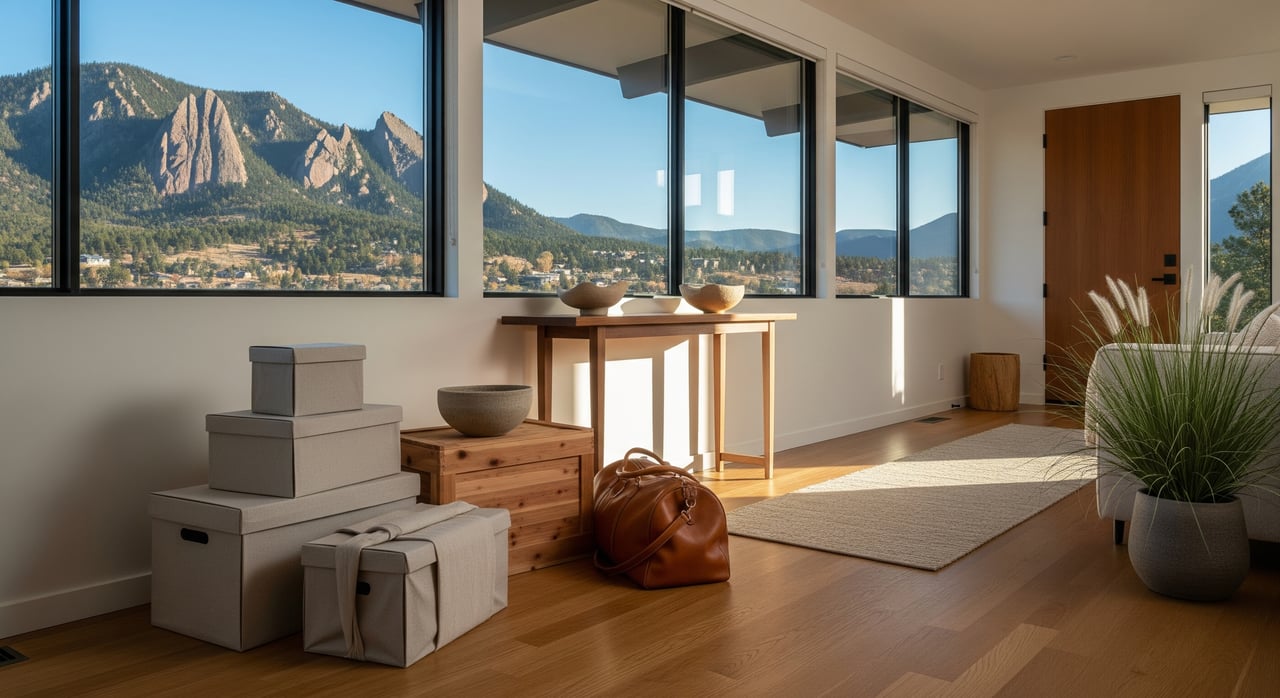
Boulder sits at the base of the Rockies with an elevation around 5,430 feet and easy access to trails, open space, and a lively downtown Pearl Street scene. You are roughly 25 to 40 miles from Denver International Airport and about 25 to 30 miles from downtown Denver, depending on your route and conditions. For travel planning, use the official site for Denver International Airport.
Commutes are flexible. Many residents drive or use the Regional Transportation District. The Flatiron Flyer offers bus rapid transit along the US-36 corridor between Boulder and Denver. If schools are part of your plan, the Boulder Valley School District provides boundary lookups and enrollment guidance so you can verify school assignments by address.
The market is often competitive and inventory can be tight in high-demand neighborhoods. Strong preparation, fast scheduling, and risk-aware offer strategies help you compete without skipping critical protections.
Your 10–12 week move plan
10–12 weeks out: Plan and shortlist
- Hire a local buyer’s agent who is experienced with remote clients and interstate moves. Ask for virtual touring options, neighborhood profiles, and inspector referrals.
- Decide on temporary housing for arrival, such as a short-term rental or extended-stay hotel, and book early if your window is tight.
- Build a neighborhood shortlist with your agent. Include cost ranges, walkability, transit, school assignment verification, HOA rules, and hazard flags like wildfire or flood risk.
- Confirm your moving budget. Collect quotes from interstate movers and ask about peak-season surcharges and insurance.
6–8 weeks out: Search and remote touring
- Start remote tours using live video, recorded walkthroughs, and 3D tours. Request neighborhood drive-through videos and commute checks at peak times.
- Narrow to 3 to 6 top properties for deeper due diligence.
- Secure financing preapproval and discuss appraisal timelines and contingencies with your lender.
3–5 weeks out: Offers and due diligence
- If possible, schedule in-person walkthroughs. If not, do a live virtual walkthrough with your agent using a standardized checklist.
- Open escrow and confirm remote closing options with the title company, including remote online notarization if available.
- Book inspectors immediately after going under contract so there is time for any repair negotiations.
1–2 weeks out: Logistics and services
- Confirm your mover, and obtain a certificate of insurance if needed by the building or HOA.
- Set utility start dates, internet installation, and any special service needs so you have coverage on day one.
- Start your change-of-address process and gather documents for driver’s license, vehicle registration, and school enrollment.
Moving day and first week: On-the-ground checks
- Verify final meter reads and confirm utility activation.
- Check inventory on delivery, photograph any damage, and test smoke and CO detectors, thermostat, and water shutoffs.
- Follow HOA or city rules for moving vehicles and parking.
1–3 months after move: Finish and settle
- Transfer your driver’s license and vehicle registration according to state timelines through the Colorado DMV.
- Register to vote in Boulder County and set reminders for local tax deadlines.
- Complete any negotiated inspection repairs and file permits with the City of Boulder if required.
Remote tours, inspections, and appraisal
Virtual tour checklist
- Tour types: recorded videos, live video tours, 3D tours, and neighborhood drive-throughs.
- Request detailed shots of exterior elevations, roofline, gutters, grading, mechanicals, attic, basement or crawlspace, sewer cleanout, and both sides of property boundaries.
- Ask for neighborhood checks at different times of day. Include noise levels, parking availability, pedestrian routes, bike lanes, grocery proximity, and a filmed commute to key destinations.
Inspection plan that protects you
- Book a licensed local inspector as soon as you go under contract. Provide a scope list so they bring the right tools.
- Common inspections to consider:
- General home inspection
- Sewer scope, especially for older lines
- Radon test, since Colorado often has elevated levels
- Pest or termite inspection
- Chimney or wood-burning appliance inspection if applicable
- Roof inspection if not fully covered in the general inspection
- Structural engineer consult if there are foundation or slope questions
- Water quality test for private wells or lead-based paint testing for pre-1978 homes
- Attend inspections remotely via live video, and request a recorded walkthrough of major systems.
Appraisal and financing
- Your lender orders the appraisal after contract acceptance. Keep your appraisal contingency unless you have a clear plan for potential gaps.
- In competitive moments, options may include appraisal gap coverage, escalation clauses, or increased earnest money. Align with your lender and agent before you submit.
- Share context with your lender and appraiser when appropriate, such as recent comparable sales or receipts for recent improvements.
Closing remotely and preventing fraud
- Confirm whether your title company supports remote online notarization, and schedule early.
- For wire transfers, call your title company using a verified phone number to confirm instructions. Do not rely on numbers in an email, and use two-factor verification for all fund transfers.
Utilities and services setup
Setting service start dates before you arrive prevents unpleasant surprises. Many items require at least one to two weeks of lead time.
- Electricity and natural gas: Confirm the provider with the seller or your agent and set a start date in your name.
- Water and sewer: For in-city properties, accounts are typically managed by the City of Boulder. Ask about billing cycles and any transfer steps.
- Trash, recycling, and organics: The City of Boulder outlines pickup schedules, cart sizes, and accepted materials. Confirm your day and any special rules.
- Internet and cable: Check address-level availability and schedule installation for your first access day. Ask about speed tiers and installation windows.
- Propane, septic, and well: For rural or foothill properties, schedule propane delivery, septic inspection or pumping, and well testing as needed.
Registrations, schools, and safety
- Licenses and registration: Colorado requires you to transfer your driver’s license and vehicle registration within a set time after establishing residency. Check current timelines and required documents with the Colorado DMV.
- School enrollment: The Boulder Valley School District details enrollment steps, boundary lookup, and required paperwork. Enrollment often requires proof of residency, immunization records, and birth certificates.
- Emergency readiness: Review wildfire and flood guidance and sign up for local alerts. See Wildfire Partners for mitigation programs and the Boulder Office of Emergency Management for notifications and preparation resources. Check flood risk at the FEMA Flood Map Service Center.
- Healthcare: Identify your nearest hospital and clinics. For local care, explore Boulder Community Health for hospital and urgent care locations.
Choosing neighborhoods with confidence
A smart neighborhood fit is about lifestyle and logistics. Consider your commute time, transit access, school assignments by exact address, parking rules, and hazard profile.
- Commute options: Map drive times and explore the Flatiron Flyer for bus rapid transit between Boulder and Denver.
- Outdoor access: If trail and open space access is a priority, review maps and closures with the City’s Open Space and Mountain Parks.
- Policies and permits: For parking, permits, and city rules that vary by neighborhood, start with the City of Boulder and confirm specifics for your address.
- Hazard awareness: For wildfire defensible space, review Wildfire Partners. For flood risk, check the FEMA Flood Map Service Center and discuss any floodplain questions with your agent.
Final thoughts
Relocating to Boulder can be efficient and low stress if you plan early, lean on virtual tools, and keep key protections in place. With a clear timeline, a remote-friendly touring strategy, and early utility and registration setup, you will land smoothly and enjoy your first weekend exploring the trails.
If you want a local guide who manages the details from virtual tours to closing logistics, reach out to Marie Jacobs (CO). You will get a neighborhood-first, full-service experience backed by premium marketing resources.
FAQs
How competitive is buying a home in Boulder?
- Boulder often sees limited inventory in high-demand areas, so prepare with strong preapproval, fast scheduling, and an offer strategy that protects key contingencies.
Can I complete inspections and closing remotely when relocating to Boulder?
- Yes, many buyers attend inspections via live video and use title companies that support remote online notarization for closing; confirm these options before you go under contract.
What hazards should I evaluate for Boulder homes?
- Focus on wildfire risk and defensible space, potential floodplain concerns, radon, sewer line condition, and any visible foundation or slope issues.
What is a smart timeline for utilities and internet setup in Boulder?
- Start one to two weeks before move-in; confirm electricity, gas, water, sewer, trash, and internet installation for your first access day.
How soon do I need to switch my driver’s license and registration in Colorado?
- Colorado requires prompt transfer after establishing residency; check current deadlines and documents with the Colorado DMV website.
How do I avoid wire fraud during my Boulder home purchase?
- Always verify wiring instructions by calling your title company on a known, trusted phone number and use two-factor verification for all fund transfers.