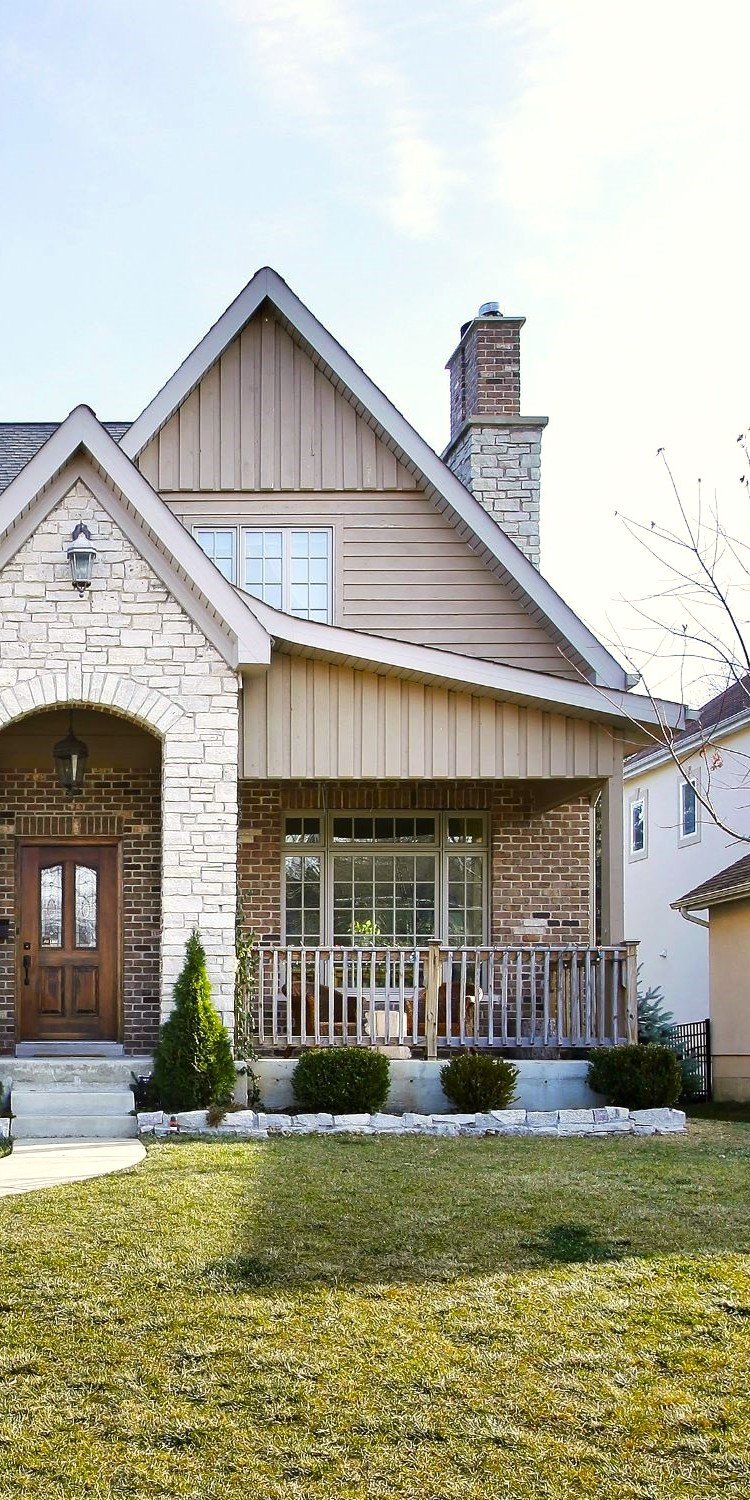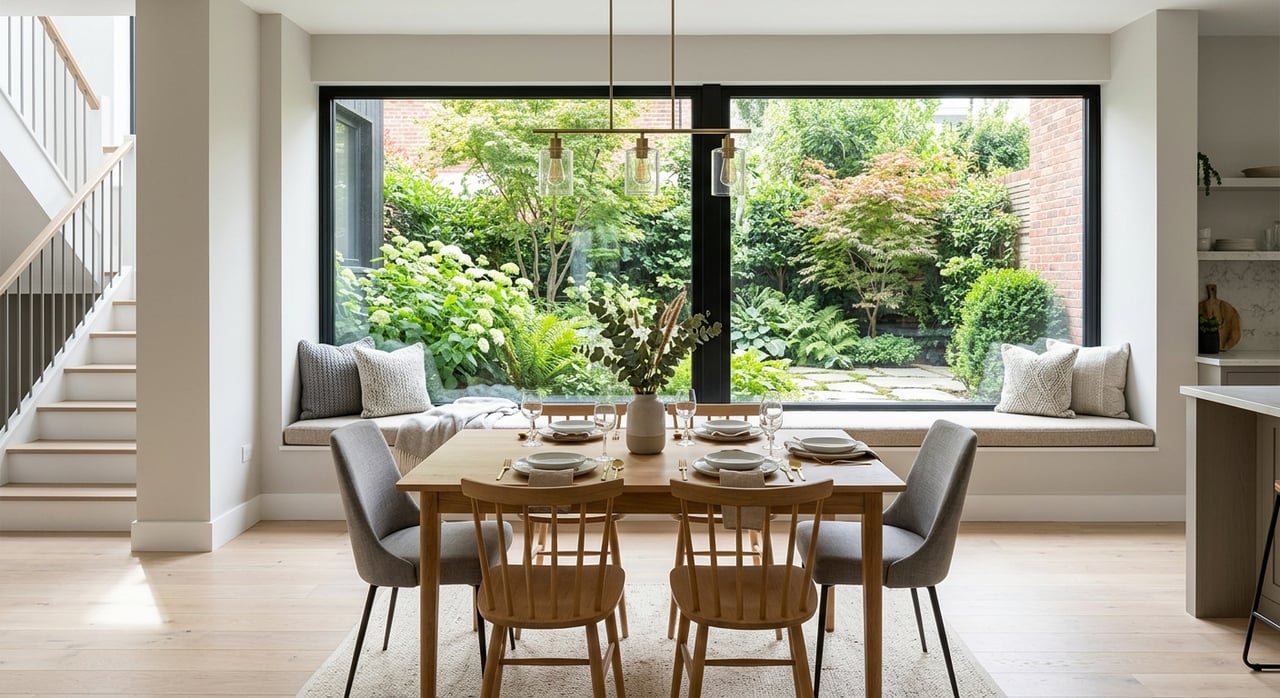
If your Louisville home will likely make its first impression online, staging is not just a finishing touch. It is one of the clearest ways to help buyers understand your space quickly and feel confident about it. In a market where homes can move fast and buyers still compare condition and presentation closely, the right staging strategy can help your home stand out from the start. Let’s dive in.
Why staging matters in Louisville
Louisville remains a relatively high-price market, with spring 2026 data from major housing platforms placing typical home values or listing prices roughly in the high-$800,000s to mid-$900,000s. Days-to-pending or days-on-market vary by source, but the overall picture is consistent: buyers are moving quickly, and listings need to make a strong first impression.
That first impression matters even more because Louisville is described as a very competitive market, and Realtor.com classifies it as a seller’s market. Even in a strong market, buyers still notice clutter, awkward layouts, and rooms that feel unfinished. Staging helps reduce that friction.
Louisville’s 2024 Housing Plan also notes that local housing costs have outpaced incomes and that meeting future housing needs is a city priority. For you as a seller, that means buyers may look carefully at value, condition, and how move-in ready a home feels before they make an offer.
What staging helps buyers do
The biggest benefit of staging is simple: it helps buyers picture themselves in the home. According to the National Association of Realtors 2025 Profile of Home Staging, 83% of buyers’ agents said staging makes it easier for buyers to visualize a property as their future home.
That same report found that 60% of buyers’ agents said staging affects most buyers most of the time. In other words, staging is not just for luxury listings or vacant homes. It can shape how buyers respond to your home emotionally and practically.
Staging can also affect perceived value. NAR reports that some agents saw staging increase the dollar value offered by about 1% to 5%, which helps explain why thoughtful presentation often pays off.
Start with the rooms that matter most
If you want to be strategic with time and budget, focus on the rooms buyers notice first. NAR’s 2025 findings rank these spaces as the most important to stage:
- Living room
- Primary bedroom
- Kitchen
- Dining room, when it plays a meaningful role in daily use
This order makes sense because these are the rooms buyers use to judge comfort, function, and overall upkeep. If those spaces feel bright, open, and easy to understand, the rest of the home often feels stronger too.
Declutter before you decorate
Good staging usually starts with editing, not shopping. Before you add pillows, art, or greenery, remove anything that makes the home feel crowded or overly personal.
A research-backed prep list includes:
- Pack away personal photos and highly specific decor
- Clear off counters, dressers, and crowded shelves
- Remove bulky furniture that shrinks the room
- Keep closets about half full so storage feels generous
- Use fresh bedding and clean towels
- Touch up walls with neutral paint where needed
These steps help buyers focus on the home itself rather than your belongings. They also make rooms look better in photos, which is where many buyers form their first opinion.
Make the entry feel inviting
Your entry sets the tone for the rest of the showing. NAR’s consumer guidance specifically points to a welcoming entry, including a clean mat and a little greenery, as a practical staging move.
That does not mean a major exterior project. In many cases, simple details like a swept walkway, tidy front step, clean glass, and a clear line to the front door can make the home feel cared for and ready to tour.
Use furniture to clarify room function
One of the most overlooked staging goals is helping each room make sense at a glance. Buyers should not have to guess whether a space is a dining area, office nook, or second sitting room.
In Louisville neighborhoods with compact, walkable development patterns such as Downtown, North End, and Steel Ranch, homes may feature open layouts, flexible rooms, or smaller block-oriented lots. In these homes, staging works best when furniture defines purpose clearly and allows easy circulation through the space.
A few practical ways to do that include:
- Float furniture to create conversation areas in open living spaces
- Use rugs to visually anchor a room’s purpose
- Scale furniture to the room so it does not feel tight
- Give flexible spaces one clear use instead of multiple competing uses
When the layout reads as intentional, buyers can imagine daily life there more easily.
Take an interior-first approach in Old Town
Old Town has a different staging context than newer subdivisions. The City of Louisville describes Old Town as a historic residential neighborhood surrounding Downtown, with diverse architecture and unique appeal. The city also emphasizes preserving and enhancing the historic downtown area because it contributes to Louisville’s character.
If you are selling in Old Town, staging should usually support that character rather than compete with it. Reversible, interior-first updates often make the most sense.
That matters because Louisville notes that landmarked properties may need an alteration certificate for exterior changes requiring a building permit. For older non-landmarked structures, removing street-facing elements or more than half of a building over 50 years old can trigger demolition review.
For sellers, the practical takeaway is clear. Instead of rushing into major exterior changes, focus on styling that highlights original charm, improves flow, and respects the home’s existing details.
Keep the look neutral and polished
Neutral does not mean bland. It means creating a clean backdrop that helps buyers notice light, scale, and architectural details.
If a room has bold wall colors, heavy window treatments, or too many decorative accents, the space can feel smaller or more specific to one taste. Soft, simple styling tends to photograph better and gives buyers more room to imagine how they would use the home.
Aim for a polished look with:
- Light, clean bedding
- Simple, balanced accessories
- Open surfaces in kitchens and baths
- Minimal decor on shelves and mantels
- Furniture layouts that show off windows and pathways
Plan staging with photography in mind
Staging is not complete until your marketing media is ready. NAR’s 2025 report found that listing photos were especially important, with 73% of buyers’ agents and 88% of sellers’ agents rating them as valuable. The same report also showed strong importance for videos, physical staging, and virtual tours.
That means your photo session should happen after the home is decluttered, cleaned, and styled. Photos taken too early can miss the full benefit of your prep work.
If your home is vacant, virtual staging may help buyers understand empty rooms, as long as materially altered images are disclosed. The goal is still the same: make the home easy to read online before buyers ever step through the door.
A practical staging plan for Louisville sellers
If you are preparing to list, you do not need to do everything at once. A clear sequence can make the process feel more manageable.
Step 1: Edit the home
Remove personal items, thin out furniture, simplify storage areas, and clear surfaces. This gives you a clean starting point and often reveals what the home really needs.
Step 2: Refresh key finishes
Touch up paint where needed, use neutral colors if a room feels distracting, and replace worn linens or obvious visual clutter. Small updates can make a home feel much more current.
Step 3: Stage priority rooms
Start with the living room, primary bedroom, and kitchen. Then move to the dining area or other spaces that play an important role in how buyers will understand the layout.
Step 4: Fine-tune curb appeal
Tidy the entry, clean up the front approach, and make sure the exterior feels neat and welcoming. Even modest improvements can strengthen the first impression.
Step 5: Schedule final media
Once the home is fully ready, bring in professional photography and other visual marketing. This is where your staging work starts paying off at scale.
Staging is really about confidence
At its best, staging does more than make a home look pretty. It helps buyers feel confident about the space, the layout, and the level of care behind the listing.
In Louisville, where homes often need to capture attention quickly, that confidence can make a real difference. When your home feels clear, polished, and easy to imagine living in, buyers have fewer reasons to hesitate.
If you are getting ready to sell in Louisville and want a clear plan for staging, presentation, and launch timing, Marie Jacobs (CO) can help you prepare your home with a neighborhood-informed, full-service approach.
FAQs
What rooms should Louisville sellers stage first?
- The top priorities are the living room, primary bedroom, and kitchen, based on NAR’s 2025 home staging findings.
Does staging really help a Louisville home sell?
- Research shows staging helps buyers visualize the home more easily, and some agents reported staging increased the dollar value offered by about 1% to 5%.
How should Old Town Louisville sellers approach staging?
- Old Town sellers often benefit most from reversible, interior-first updates that highlight character, especially because certain exterior changes may involve local review requirements.
Should Louisville homeowners stage before listing photos?
- Yes. Photos should come after the home is decluttered, cleaned, and styled so your online presentation reflects the home at its best.
What is the simplest staging step before listing a Louisville home?
- Start by decluttering aggressively, removing personal items, and cutting back oversized furniture so rooms feel larger and easier to understand.