If you want to walk to dinner, catch live music, browse art, and still feel connected to home, Longmont can absolutely deliver. The key is knowing where that lifestyle actually exists, because Longmont’s walkability is concentrated in a few specific pockets rather than spread evenly across the city. In this guide, you’ll see which Longmont neighborhoods stand out for food, arts, and nightlife, and what makes each one a different fit for buyers. Let’s dive in.
Where walkable Longmont really is
Longmont offers a mix of neighborhood types, but the most walkable experience is centered around downtown and a few nearby areas. According to Visit Longmont’s downtown overview, Downtown Longmont brings together restaurants, breweries, cideries, distilleries, boutiques, public art, galleries, and mixed-use housing within the city’s Certified Creative District and National Historic District.
That concentration matters if you are choosing a home based on lifestyle. While Walk Score rates Longmont at 39 citywide, the Main Street and 3rd Avenue area scores 88, which shows how block-specific walkability can be here. If your goal is an easy walk to coffee, dinner, art events, and evening outings, location within Longmont matters as much as the city itself.
Historic Downtown has the most action
If you want the strongest concentration of food, arts, and nightlife, Historic Downtown Longmont is the clear front-runner. Old Town Longmont is known for small businesses, boutiques, coffee shops, restaurants, music venues, galleries, and brew pubs, all packed into a compact and easy-to-explore area.
This part of town also has a strong sense of place. Landmarks like Dickens Opera House at 3rd and Main, The Passenger in the same historic building, Cheese Importers in a historic power-plant site, and St. Stephen’s Church help define the downtown experience. For buyers, that often translates to a neighborhood that feels active, layered, and full of local character.
Downtown food and nightlife
Downtown is where Longmont’s social scene is the most concentrated. You can find a mix of nationally acclaimed restaurants, craft beverage spots, and recurring after-hours programming in a walkable area, according to Visit Longmont.
The event calendar adds another layer. ArtWalk on Main closes Main Street between 3rd Avenue and Longs Peak for an art market, live music, performers, food trucks, and gallery visits. The Winter Walkabout Music Showcase also brings dozens of performances to 16 venues within walking distance of each other in the Longmont Creative District.
For anyone relocating and hoping to meet people or enjoy a more active routine, that kind of built-in event schedule can make a real difference. It gives downtown energy beyond a single Saturday night and helps the area feel lively through different seasons.
Downtown arts and culture
Longmont’s downtown appeal is not only about restaurants and bars. The Longmont Museum offers a free mobile walking tour with more than a dozen downtown locations, which adds a great daytime layer to the area.
The arts scene also includes the Firehouse Art Center, plus downtown performance venues like the Longmont Theatre Company and Jesters Dinner Theatre. That mix helps downtown appeal to buyers who want culture woven into daily life, not just nightlife on weekends.
East Side and West Side feel more residential
If you like the idea of walking to downtown but want a quieter home setting, the historic neighborhoods around downtown deserve a close look. The East Side and West Side Historic Districts sit near the core and offer a more residential version of walkable Longmont.
According to the city, the East Side Historic District generally runs between Fourth and Eighth avenues and between Kimbark and Atwood streets. The West Side district generally spans Third to Fifth avenues between Terry and Grant streets. These areas connect proximity with established neighborhood character.
East Side historic character
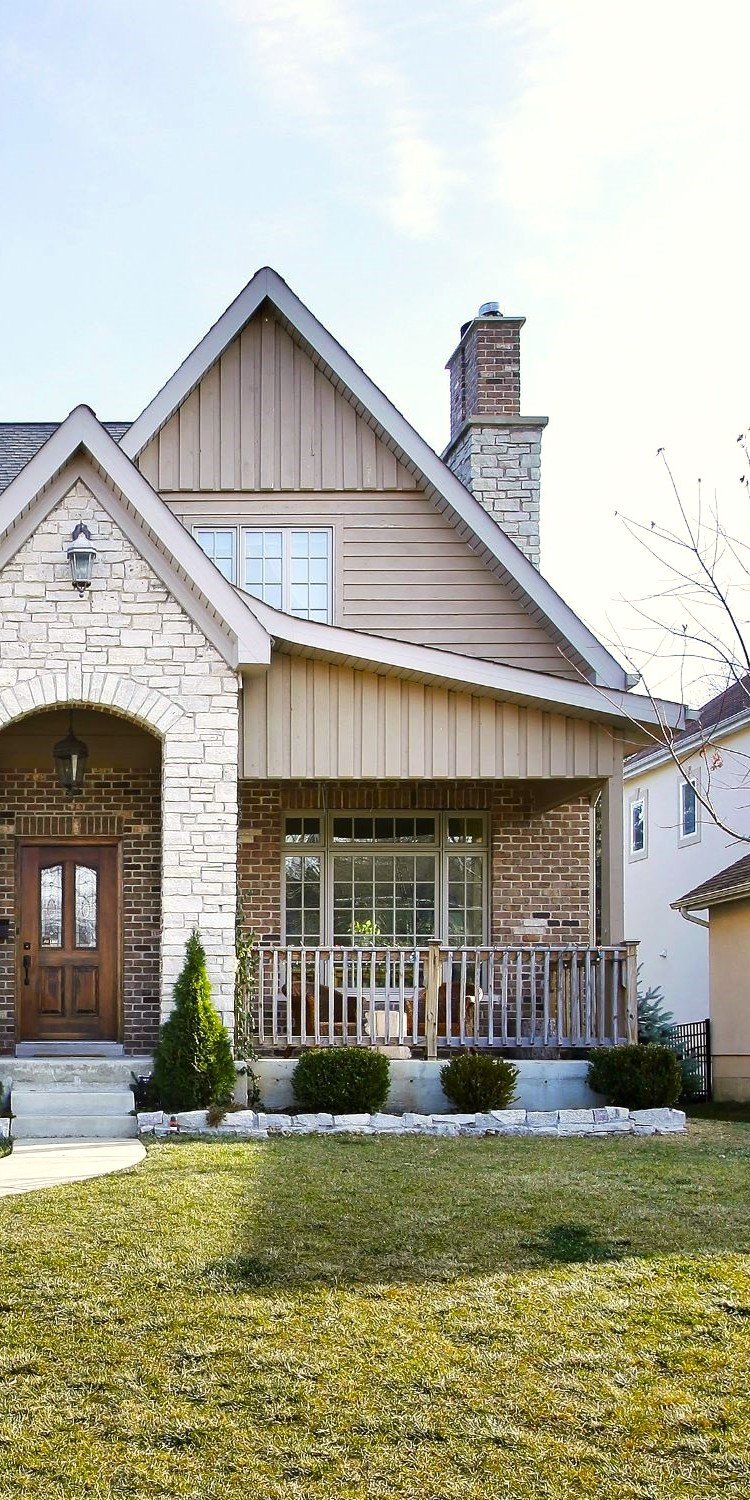
The East Side includes a range of early home styles and later infill. The city notes early small wood-frame and brick houses in vernacular styles, along with Italianate, Mansard, Queen Anne, Edwardian Vernacular, Classic Cottage, and Bungalow homes.
For buyers, that often means more architectural variety and a traditional neighborhood feel close to downtown amenities. If you want to be near Main Street without living in the middle of the commercial core, East Side can offer that middle ground.
West Side tree-lined streets
The West Side is largely residential and is described in historic survey materials as mostly post-Victorian and Foursquare in character, with generous lot sizes and broad tree-lined streets. That makes it a useful option if your priority is a quieter setting with downtown still within reach.
This is the part of the conversation where lifestyle fit matters most. Downtown gives you the highest concentration of activity, while the nearby historic districts offer easier access to that activity with a more classic residential atmosphere.
Prospect New Town offers a different kind of walkability
If downtown Longmont feels a little too historic or too traditional for your taste, Prospect New Town offers a very different take on walkable living. Prospect New Town describes itself as Colorado’s first New Urbanist neighborhood, developed on a former 80-acre tree farm with tree-lined streets, bold architecture, and front porches.
This neighborhood is in southwest Longmont and was planned around a live-work-play concept from the start. Home options include detached houses, townhouses, courtyard homes, apartments, and live/work lofts, which creates a broader range of housing formats than many older neighborhoods.
Prospect’s built-in commercial center
One of Prospect’s biggest draws is that the neighborhood was designed with a town center. The official site describes a large downtown park surrounded by shops, a swimming pool, restaurants, and businesses, all within a five-minute walk of Prospect homes.
That setup can be appealing if you want walkability in a more intentional, master-planned setting. Instead of relying on a historic main street, Prospect offers a curated neighborhood hub built into the original design.
Prospect’s food and creative identity
Prospect has its own mix of local food and drink spots. The neighborhood’s restaurant and business listings include Big Daddy Bagels, Cavegirl Coffeehouse, Primitive Brewing, and Urban Thai.
Its creative side is also part of the neighborhood identity. The Prospect Artists Association includes visual artists, photographers, jewelers, architects, writers, musicians, florists, chefs, poets, and actors, and Prospect highlights Prospect Sound Bites as the largest food truck and music festival in Northern Colorado. If you want a neighborhood that feels visually distinct and creatively minded, Prospect stands apart.
Which Longmont area fits your lifestyle?
Each of these walkable pockets offers something different, so your best fit depends on how you want your day-to-day life to feel.
| Area | Best For | What Stands Out |
|---|---|---|
| Historic Downtown / Main Street | Buyers who want the most dining, arts, and nightlife close together | Highest concentration of restaurants, venues, galleries, and events |
| East Side / West Side | Buyers who want a residential setting near downtown | Historic homes, tree-lined streets, and walkability to the core |
| Prospect New Town | Buyers who want a newer planned live-work-play setting | Mixed housing types, bold design, and a built-in town center |
If you are buying in Longmont, this is where local guidance becomes especially useful. Two homes can have the same city address but offer a very different daily experience depending on how close they are to Main Street, downtown venues, or Prospect’s commercial center.
What to keep in mind as you search
Walkability in Longmont is real, but it is targeted. That is why it helps to think beyond the city name and focus on the blocks, routes, and neighborhood layout that match your routine.
As you compare options, consider questions like:
- Do you want to walk to the widest range of restaurants and nightlife?
- Would you rather live near downtown but on a quieter residential street?
- Are you drawn to historic homes or a newer neighborhood design?
- Do you want access to regular arts and music events within walking distance?
The right answer is personal, and it often comes down to how you want your mornings, evenings, and weekends to feel. If you want help narrowing down which Longmont neighborhood matches your goals, Marie Jacobs (CO) can help you compare locations, home styles, and lifestyle fit with a local, neighborhood-first approach.
FAQs
Which Longmont neighborhood is best for walkable restaurants and nightlife?
- Historic Downtown and the Main Street core offer the strongest concentration of restaurants, brew pubs, music venues, and recurring events in one compact area.
Which Longmont neighborhoods offer walkability with a more residential feel?
- The East Side and West Side Historic Districts near downtown are better fits if you want a quieter residential setting with walkable access to downtown amenities.
Is all of Longmont walkable for food, arts, and nightlife?
- No. Longmont’s walkable lifestyle is concentrated in specific pockets, especially downtown and Prospect New Town, rather than evenly distributed across the city.
What makes Prospect New Town different from Historic Downtown Longmont?
- Prospect New Town is a planned New Urbanist neighborhood with mixed housing types and a built-in town center, while Historic Downtown is the city’s traditional core with the densest concentration of dining, arts, and nightlife.
Are there arts and cultural venues in Downtown Longmont?
- Yes. Downtown includes the Longmont Museum walking tour, the Firehouse Art Center, galleries, theaters, and events like ArtWalk on Main and the Winter Walkabout Music Showcase.