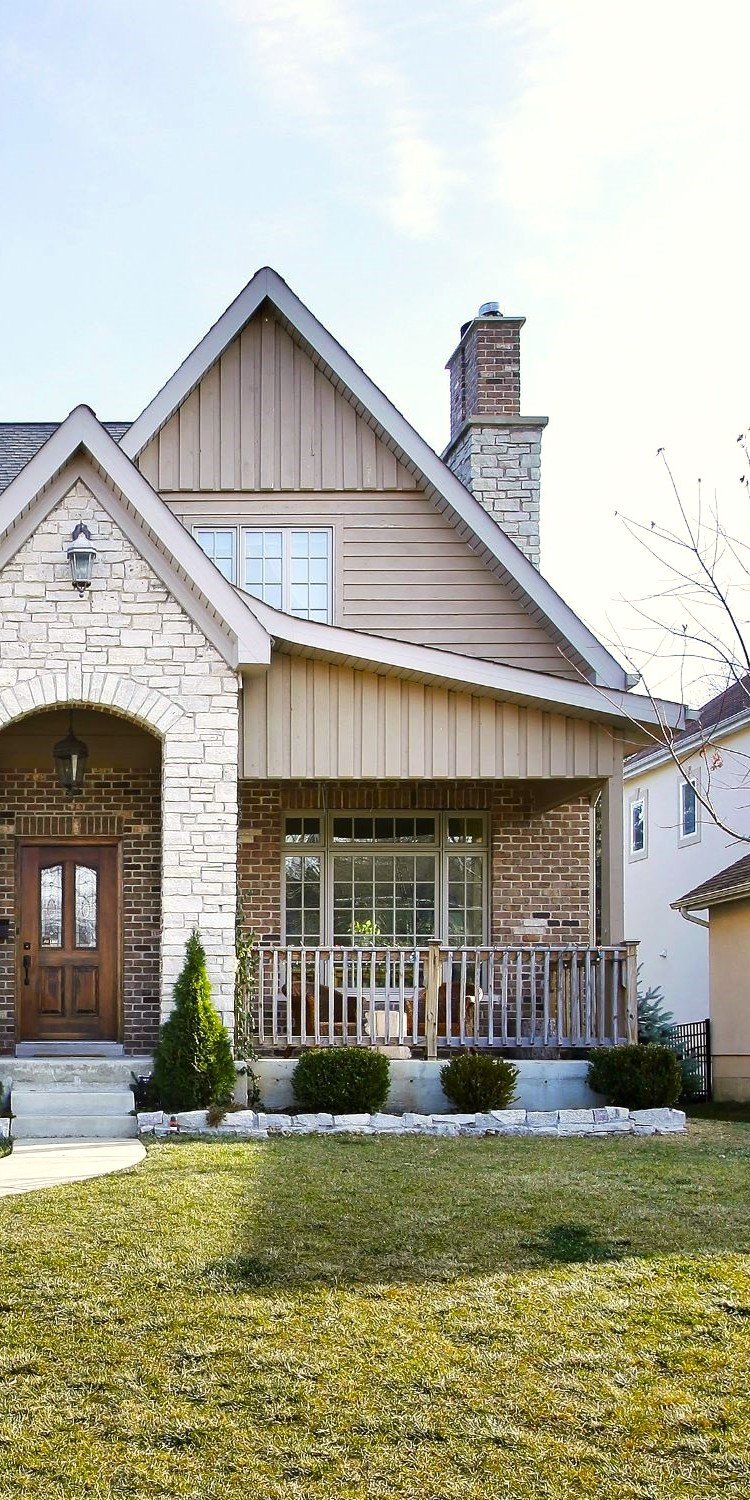
Say you're comparing Boulder and Longmont side by side, the way most relocating buyers do before they've set foot in either town. The spread on the screen is enormous. It's tempting to read that gap as a straight trade: less house, less town, less everything, in exchange for the lower number. For most categories, that's roughly true. For one category that matters enormously to a specific kind of buyer, it isn't.
That category is internet infrastructure, and the buyer it matters most to is the one whose job doesn't care which zip code they're in as long as the connection holds.
The gap, as of this month
Boulder and Longmont sit fifteen minutes apart and share the same job market, the same mountain views, and in July 2026, the same regional MLS reporting the two prices moving in opposite directions at the same time.
| Boulder | Longmont | |
|---|---|---|
| Median sale price, July 2026 | $1.5 million | $587,500 |
| Year-over-year change | Down 10.4% | Up 5% |
| Homes sold in July | 54 | 164 |
| Active listings | 165 | 203 |
| Listings vs. July 2025 | Down 17.9% | Down 19.2% |
That data comes from IRES MLS, the regional service covering single-family sales throughout the Boulder Valley, as reported by the Loveland-based business journal BizWest on August 12, 2026. The gap between the two medians works out to just over $912,000.
What's easy to miss in that table is the direction each city is moving. Boulder's median fell double digits year over year while Longmont's rose. Inventory tightened in both towns at nearly the same rate. This isn't a story of one market correcting while the other holds steady. Both are getting tighter on supply. Only one is getting more expensive.
What buyers assume that gap is buying
Ask most relocating buyers what $912,000 gets you in Boulder that it doesn't in Longmont, and the list runs predictable: proximity to the Flatirons, a walk to Pearl Street, a shorter runway to the CU campus, a certain kind of social cachet that comes with the zip code. All of that is real and none of it is in dispute here.
But there's a quieter assumption riding along with the obvious ones, especially among buyers relocating for remote or hybrid work. The assumption goes something like this: if you're paying a fraction of the price to live somewhere smaller and less famous, you're probably also settling for a smaller, less reliable version of the infrastructure that makes remote work possible in the first place. Slower internet. Fewer providers. The kind of connection that's fine for browsing and unreliable the moment you're on a video call with someone three time zones away.
That assumption is the one worth checking before you let the price gap do all your thinking for you.
The infrastructure the median doesn't show you
In 2005, the Colorado Legislature passed a state law that made it difficult for any city to build or operate its own broadband network. Longmont voters didn't accept that restriction quietly. In 2011, the city held a referendum and opted out of the law, clearing the way to build its own fiber network using the electric utility's existing infrastructure as a backbone.
Construction on that network, now called NextLight, broke ground in 2014. Longmont became the first city in the country to offer symmetrical gigabit internet citywide, with no data caps and no contracts. As of 2024, residential pricing ran in tiers: 100 Mbps symmetrical service at $40 a month, 1 Gbps at $70, 2.5 Gbps at $150, and a 10 Gbps tier at $250, all without usage caps or hidden fees.
The state law that once restricted this kind of build was repealed statewide in 2023, and Longmont kept expanding after that. In 2024, construction pushed north across Highway 66, outside the original city limits, into the Anhawa and Strawberry Circle neighborhoods, which previously had electrical service from the city but no broadband access. City officials financed that specific extension entirely through subscriber revenue and reserved capital funds, without issuing new debt. The original construction bond that built the citywide network sits on a separate timeline, with the city on track to pay it off by 2029.
What it actually reaches, and where it doesn't yet
As of 2024, figures NextLight shared with the Institute for Local Self-Reliance showed the network passing about 90 percent of the city's roughly 47,000 premises, with about two-thirds of those homes and businesses actually subscribed. That's a meaningful distinction for anyone shopping specific addresses rather than a citywide average. A network that passes 90 percent of premises still leaves a real minority of homes waiting, and the buildout has happened in phases since 2014, which means older, established blocks were often connected years before the newest expansion areas north of Highway 66.
None of this means every Longmont address has fiber today. It means the trajectory has been consistent for over a decade, and the city has kept extending the network past its own boundary rather than treating the original build as finished.
If you're actually comparing a Boulder address to a Longmont one on this specific dimension, three things are worth checking before you assume anything:
- Confirm serviceability at the exact address, not the zip code. Coverage has expanded in phases since 2014, and a block built out in an early phase can look very different from one added in a recent extension.
- Ask whether the property sits inside the original city footprint or one of the newer expansion pockets, since that affects both current availability and how established the connection has been in that specific location.
- Compare upload speeds, not just download, if the work you're doing involves video calls or large file transfers. Symmetrical service means the upload side performs the same as the download side, which matters more for remote work than most marketing copy admits.
What the rankings say about the trade
The network's reputation isn't just local pride. NextLight's Reader's Choice honors from PC Mag include being named the nation's best municipal provider and best ISP for home offices, along with finishing in a near tie for first as the country's best gaming ISP for 2026. In a separate PC Mag ranking reported in July 2025, NextLight placed third nationally among all internet providers, residential and commercial, while Loveland's municipal network, Pulse, took first.
That ranking matters here for a specific reason. It means the buyer who assumes they're trading down on connectivity by choosing Longmont over Boulder is working from an outdated model of what a smaller Front Range city can offer. The infrastructure gap that used to track neatly with the price gap doesn't hold on this axis, and hasn't for over a decade.
So what does the premium actually buy?
None of this erases what Boulder offers. The immediate trail access, the density of restaurants and shops within walking distance, the specific social and cultural weight of the address itself, those are real and they cost real money. If those are the things pulling a buyer toward Boulder, the $912,000 gap is buying exactly what it looks like it's buying.
What it isn't buying, at least not automatically, is better remote-work infrastructure. For a buyer whose calculation includes the quality of their internet connection as a genuine line item, the honest version of this comparison looks different than the one the median price suggests. The premium is real. It just isn't attached to the thing a lot of people assume it's attached to.
A few questions that come up often
Does the NextLight network cover all of Longmont equally? No. The network has expanded in phases since 2014 and reached about 90 percent of premises as of 2024, with continued expansion since into areas outside the original city limits. Coverage should be confirmed at the specific address rather than assumed from the zip code.
Is Boulder's price drop a sign the market is cooling broadly? The July 2026 numbers show fewer active listings in Boulder than a year earlier alongside a lower median price, while Longmont saw the same inventory tightening paired with a higher median. Both markets are getting tighter on supply. Only one saw prices fall in that same window.
Does the price gap hold the same way across every Longmont neighborhood? The IRES MLS figure cited here is a citywide median for Longmont, which covers everything from the walkable older grid near Main Street to newer subdivisions on the east and south sides. Individual neighborhoods will price differently within that median.
If you're weighing a move between Boulder and Longmont, or trying to figure out what your current home is actually worth in a market moving this fast in two directions at once, Marie Jacobs works both sides of that line every week. Get your instant home valuation and start the comparison with real numbers instead of assumptions.